
As physical fitness and well-being have become a topic of growing importance in the United States, construction teams are meeting those needs.
Over the past several decades, health and fitness concerns have become increasingly prevalent, especially in the United States of America. While the culture of the late ‘90s was characterized by a unique kind of excess, from Super Size Me combo meals to big-budget carefree entertainment, the 2000s brought a substantial societal reckoning for the country. In the aftermath of sobering geopolitical events and tragedies at the turn of the century, the country found itself dealing with increases in obesity rates.
As a result, many high-powered individuals began to push for healthier alternatives and an increased focus on health and physical fitness regimens. In 2026, the effects of these efforts are readily apparent. Fitness is no longer a niche interest, but rather something that has become broadly applicable to a majority of Americans. With more people actively pursuing their own physical fitness, there comes a greater need for viable locations in which they can exercise. This has led to a modern boom for organizations such as America Sports Construction.
Modern sports facility construction is becoming increasingly important in the United States because communities, schools, and organizations need safe, durable, flexible, and future-ready spaces that support athletics, recreation, and long-term community use.
Starting at Schools
A major element of the push to get Americans to focus more intently on their health and wellness over the past few decades has been the role of schools in shaping children’s early mindsets on these issues. After obesity rates hit new heights in the early ‘00s, First Lady Michelle Obama famously worked to help craft healthier lunch options for schools around the country.
The mindset behind this work was that if children’s unhealthy eating habits or gluttonous tendencies could be curbed at this early age, it could result in more fit adults in the years to come. In addition to dietary work, schools also began to focus more on physical fitness activities, striving to keep children active and moving. To this end, many school-based sports facilities have evolved from simple fields and courts into multi-purpose spaces over the past several years. These new sports facilities are designed for performance, safety, and community engagement.
Beyond schools, such sports facilities have also become increasingly popular among adult-focused communities and organizations, offering plenty of options for Americans of all ages when it comes to exercise.
Fitness Options for All Ages
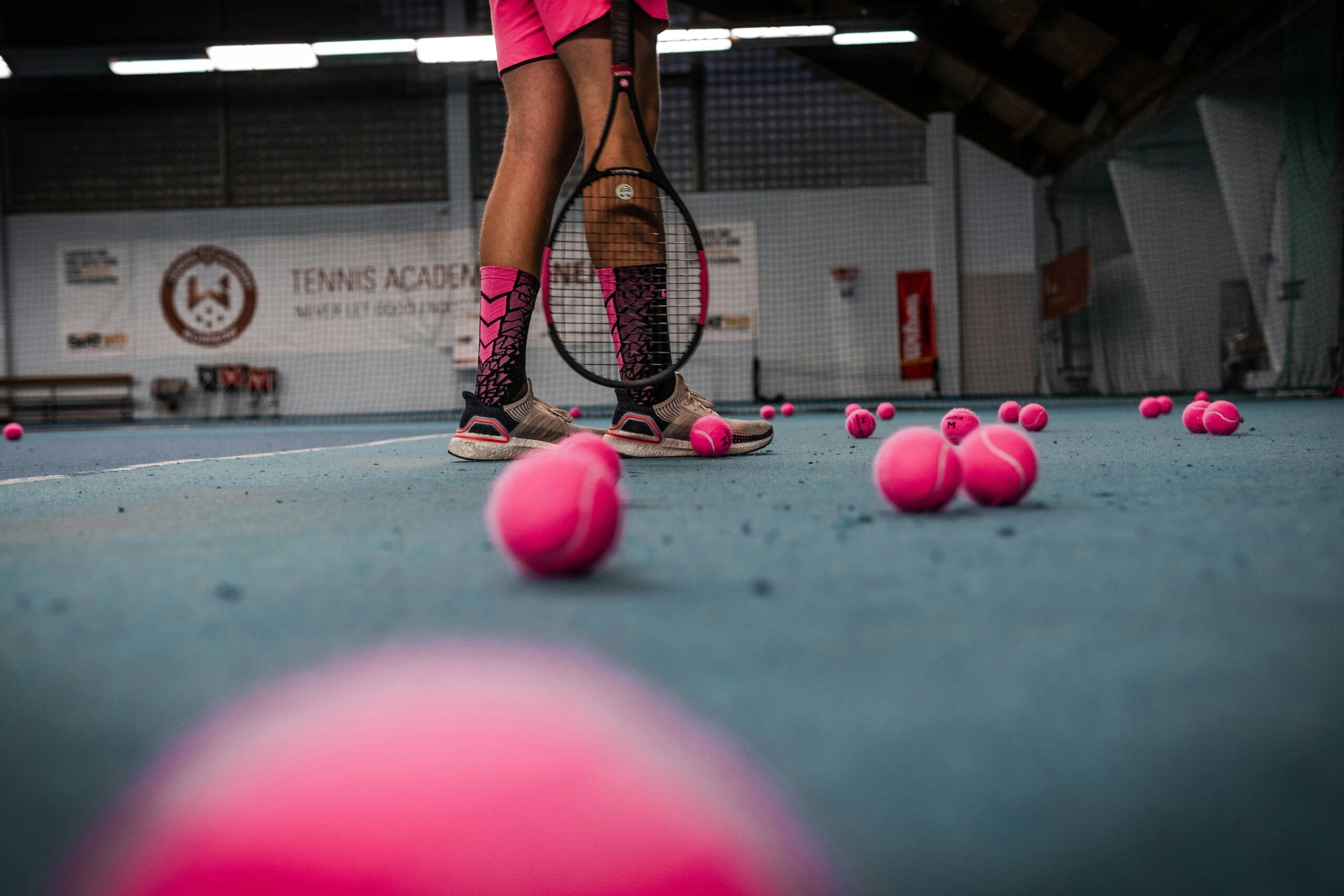
Of course, whether it is for a school or simply for a larger community, no entity that is investing such substantial amounts of money in the construction of a sports facility wants it to only be utilized for a single activity. Rather, the goal is for these spaces to be used by people from all walks of life, in a large number of ways. As such, flexibility is a major trend within this space. Many of these projects are built to support multiple sports and activities in one location.
For example, if you were to build an indoor archery range, that would be useful for those looking to practice archery, but of little help to anyone else. By focusing solely on a specific sport and allowing it to take up the entirety of the space, you would be limiting the structure to a niche interest.
Instead, by having these spaces be open and widely applicable to any number of physical fitness-based activities, they are available for people to do different things. This also highlights how accessibility is now a priority, with designs that aim to serve users of different ages and abilities.
A Healthier Future
Sustainable construction features, such as energy-efficient lighting and eco-friendly materials, can help to reduce long-term operating costs. High-quality construction depends on factors like surface materials, drainage, lighting, seating, and amenities. Sports infrastructure may provide economic benefits by attracting events, visitors, and local spending.
However, common project challenges include budget limitations, regulations, weather delays, and balancing upfront cost with long-term value. The future of sports construction will likely focus on innovation, adaptability, and integrated experiences for both athletes and spectators.
FAQ
What factors should be considered when building a sports facility?
Key factors include location, budget, surface type, drainage, lighting, and accessibility. Long-term maintenance costs should also be evaluated.
How does sustainability impact sports construction?
Sustainable practices may lower operational costs, reduce environmental impact, and improve energy efficiency.
What role does technology play in modern sports facilities?
Technology supports design accuracy, maintenance tracking, and energy management, improving overall efficiency.
Can sports facilities benefit local economies?
Yes, they may attract events and visitors, which can increase revenue for local businesses and boost community development.
Written in partnership with Tom White