
If commercial property managers think of pavement repair only reactively, they may miss out on opportunities to trim costs and improve the aesthetics, safety, and longevity of their paving.
Replacing damaged paving can be expensive, but a well-planned pavement program can help commercial property owners invest their capital wisely over time in ways that a deferred-maintenance or repair-only approach will not.
Rather than waiting for widespread cracking, drainage problems, potholes, or surface failure, property managers can regularly assess pavement condition and select appropriate treatments based on the local climate, actual site use and traffic, specific safety needs, and expected service life.
By approaching expenses this way, property managers can extend the usefulness and longevity of their existing pavement, make the timing and amount of future expenses more predictable, and reduce costs from disruptions to daily operations that are inevitable with a repair-only approach. When you contract with paving companies with a long-term plan in mind, you can budget for the lifecycle cost of your pavement.
Why Pavement Should Be Managed as a Business Asset
Your parking lots, access roads, loading areas, sidewalks, and curbs all influence how customers or tenants experience your property (both in terms of safety and the proverbial “curb appeal”), but that is not the only reason that pavement is a business asset. Poor surface conditions can also have an impact on:
- Delivery and loading operations
- How emergency vehicles move through your property
- Accessibility (and, for that matter, visibility of pavement marking that is required for compliance)
- Drainage performance (in a wet or snowy climate, especially, this can create other cascading issues)
- The frequency and cost of emergency repairs
It isn’t just about curb appeal and tenant satisfaction; preventive pavement planning affects usability, the movement of goods on and off-property, and other capital planning.
How Project Phasing Can Reduce Business Disruption
When you plan rather than just finance emergency repairs, you can divide pavement work into manageable phases that reduce the impact on your business. For example, if you manage an office complex or a multifamily rental community, you can work with the paving contractor to complete separate parking sections during low-traffic periods while maintaining marked routes for tenant use and for emergency access. If you operate a mall, fitness center, or large store, you could maintain access for customers and deliveries in much the same way.
By planning preventive maintenance, you can also plan tenant and customer notifications, delivery schedules, work-zone barriers, and cure and reopening times proactively rather than reactively. You can also time multiple treatments at once: for example, striping and accessibility upgrades, as well as drainage corrections where standing water is contributing to long-term surface deterioration, at the same time that you are sealing pavement cracks and filling nonstructural cracks.
Lifecycle Cost is About More Than Just Initial Price
When evaluating a paving contractor, it’s important to realize that the lowest proposal or cheapest quote may not reflect the lowest long-term cost. When comparing providers, consider factors that could affect your company’s total future costs. For example:
- The condition of your existing pavement and the specific treatments offered
- Material specifications
- Expected service life of the repaired pavement
- Drainage conditions
- Requirements for traffic control during the repair
- The proposed project phasing and its impact on your business operations
- Future maintenance needs
- Warranty terms
This means you will want to know the contractor’s scheduling and phasing capabilities, safety and traffic-control procedures, and experience with comparable commercial properties. An experienced contractor should be able to provide you with references for similar projects. If you have multiple locations needing preventive maintenance and repair, inquire about the contractor’s ability to support work across those locations.
It isn’t just cities and states that have to grapple with the financial question of whether to add more pavement, repair what you have as it gets damaged, or plan for preventive maintenance; every company with a commercial parking lot, a sidewalk, or other pavement ultimately has to face this same question, albeit at a smaller scale.
You may be best equipped to do so by treating pavement planning as an ongoing part of property management rather than a series of one-time responses to major surface failures. You can begin to take this approach by documenting the condition of your pavement as it stands today, identifying priorities for preventive maintenance, comparing treatment options, and then developing a proactive, phased plan that reflects your property’s budget, long-term needs, and actual traffic and use.
With a little planning, you can increase your property’s usability and safety while saving on costs over the long run.
FAQ
Q. How often should my commercial pavement be inspected?
A. This will depend on the traffic over your pavement, the climate, the age of the pavement, drainage, and the history of previous repairs. It is a good idea to inspect surfaces after severe weather and whenever any new signs of deterioration appear.
Q. How can I compare paving proposals?
A. When comparing quotes, look at more than just the price. Review the prospective contractors’ preparation methods, materials, specifications, their capacity for phasing the project, traffic control, warranty terms, and any expectations about future maintenance.
Q. Can I have pavement repair done without closing the property?
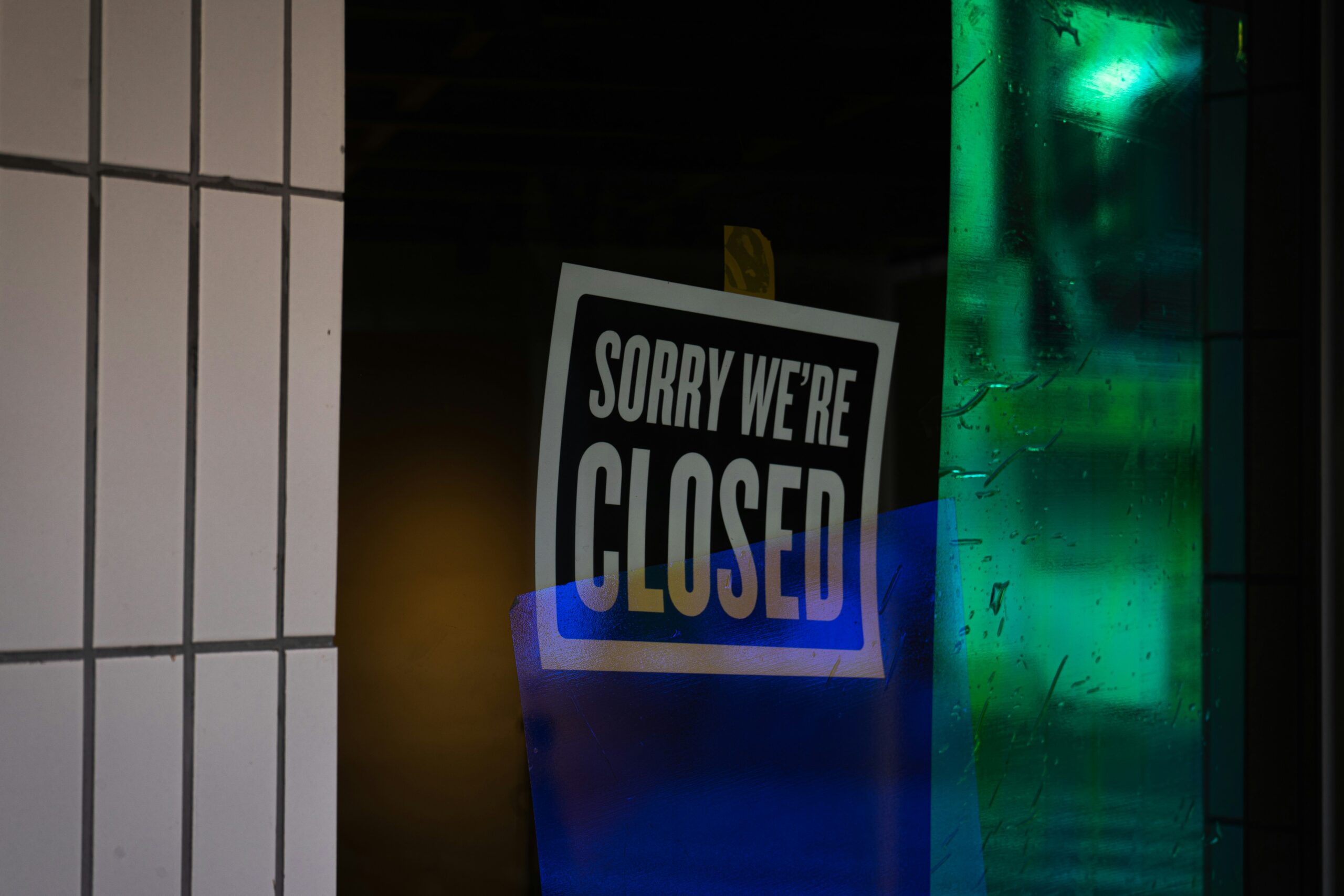
A. Many commercial projects can be scheduled and phased in ways that maintain partial access to your property, if you plan and are not deferring maintenance until more extensive structural damage occurs. This is why it’s important to discuss options for scheduling and phasing the project with the contractor before signing on. The options available to you will depend on the contractor’s expertise and protocols, the site layout, the type of treatment you’re having done, safety requirements, the weather, and the time to cure.
Q. Should I evaluate drainage before surface repairs?
A. Yes. Standing water and poor drainage may contribute to recurring deterioration. If you only correct the visible surface damage, you may end up with an expensive repair that doesn’t address an underlying water-management problem, creating more challenges (and more costs) later.
Written in partnership with Tom White