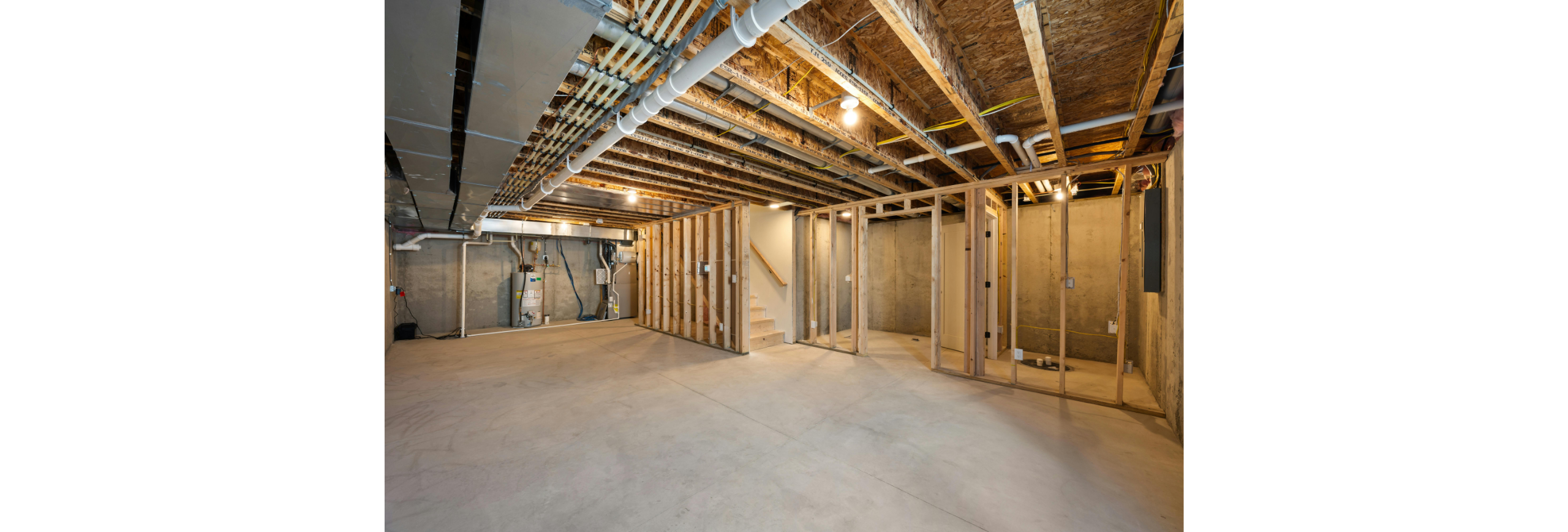

Renovation can be difficult, but improvement begins with a practical assessment of constraints and conditions.
For many owners, a property is both a living space and a long-term asset. Any renovation decision should therefore consider functional improvements alongside the structure’s future potential. One of the most common such projects involves the basement, which often involves significant physical constraints that could benefit from a more practical footprint.
Underpinning and Basement Renovation
Before changing an underutilized basement, owners should consider the property’s fundamental limitations. A basement tends to be closely tied to the foundation; as such, work in this space may carry risk. Structural work begins with an evaluation of current conditions and local requirements, which may reveal the need for additional foundation support before improvement.
Basement underpinning is the process by which a home’s existing foundation is deepened, stabilized, or repaired with new concrete supports. Whether performed to fix a structural problem or to lower the basement floor, this method can make existing footprints more practical. Before undergoing any such processes, however, owners should ensure that they are prepared to commit.
Evaluating Conditions Before Applying Finishes
Obvious issues such as foundation cracks or bowing are typically recognized and addressed, but more subtle concerns such as grading and drainage can go unnoticed. If a homeowner applies finishes without taking the time to evaluate these conditions, they will likely have to remove them to resolve the underlying issue, which could come at a high cost.
As the National Association of Home Builders (NAHB) states, “Your home may be the biggest investment you will ever make. An experienced homeowner knows the importance of a good home maintenance checklist.”
Renovation and Long-Term Ownership
Real estate has gained significant popularity as a long-term investment, but many new owners neglect the realities of maintenance, insurance, and repairs. Taking practical steps to ensure high-quality property renovation can help limit ongoing costs while improving the building itself.
“36% of Americans believe that real estate is the best choice for long-term investments,” Brianna Kamienski wrote for Business Insight, citing a Gallup survey, “surpassing stocks, gold, and savings accounts in popularity.”
Of course, no particular project will increase resale value. Improvements to usable space may technically add functionality or buyer appeal, but market whims are constantly changing. Actual financial outcomes will depend on the cost of a given project, as well as workmanship, property characteristics, and local real estate conditions.
Underpinning as a Practical Step in Renovation
Ultimately, underpinning is intended to reinforce a home’s foundations while adding flexibility to the basement. With a lower floor, this underutilized space could become a family room or office, or simply a convenient storage area. At the same time, you don’t need to finish the basement immediately. Underpinning is simply a practical step toward basement renovation.
FAQ
Q: What to assess before basement renovation?
A: With the support of a professional, owners should assess the foundation, moisture, drainage, available height, and utility conditions, as well as considering intended use, project budgets, permits, and applicable building requirements.
Q: Why structural improvements before cosmetic ones?
A: During basement renovation, the finishing process does not necessarily correct underlying structural or water management problems. If these problems aren’t addressed up front, the finishing will likely need to be removed later.
Q: Do structural renovations increase property value?
A: While improvements may contribute to function or appeal, market conditions are never guaranteed. Location, project quality, and buyer preference can each influence the resulting property value and may fluctuate monthly or yearly.
Written in partnership with Tom White