
Open excavations are a constant on active job sites, and street plates play a critical role in keeping them safe. They cover trenches, protect pavement, and keep traffic and pedestrians moving without risk. But buying enough plates to cover every project gets expensive fast, which is why many contractors turn to equipment rental for construction projects instead.
However, while renting solves the cost problem, not every supplier offers the same quality or reliability. That gap is what this article addresses. It breaks down why renting makes more sense than buying, what to look for in a street plate supplier, and the key questions to ask before you rent.
Why Consider Equipment Rental Over Purchasing for Your Construction Project
Road plates are a significant investment, and buying them outright ties up capital that could go toward labor or materials. Equipment rental for construction projects gives contractors more flexibility without sacrificing safety.
Here are the main reasons renting makes more sense than buying for most projects:
- Lower upfront cost. Renting avoids the large capital outlay of buying plates outright. That frees up cash flow for other priorities.
- No storage or maintenance burden. Owned equipment needs storage space and regular upkeep. Renting shifts that responsibility to the supplier.
- Access to the right sizes and load ratings. Trench width and traffic load vary by project. Rental fleets carry a range of options ready to deploy.
- Reduced liability from worn equipment. Suppliers are responsible for maintaining rental plates to spec, which helps prevent compliance violations tied to damaged or undersized equipment.
Renting ultimately protects margins without cutting corners on safety. Contractors get the right equipment when they need it, without the long-term costs of ownership.
What to Look for in a Street Plate Supplier
Road plates are undoubtedly a critical part of construction site safety. In fact, worker deaths from trench collapses have dropped nearly 70% since 2022, according to the Occupational Safety and Health Administration (OSHA). This trend is tied directly to stronger safety enforcement and better site protection.
However, not all street plate suppliers offer the same quality or service. Evaluating a few key factors before you rent helps protect your project timeline, your crew, and your budget.
Plate Sizes and Load Capacities Available
Plates that do not match your site’s trench width or traffic load create safety risks and slow down work. Choosing the right sizes is one of the most overlooked parts of equipment rental for construction projects, yet it directly affects site safety. Properly sized plates are also central to maintaining reliable construction site access throughout a project. Ask suppliers about the following before committing to a rental:
- Inventory range. Confirm the supplier stocks a full range of trench widths, not just standard sizes that may not fit your site.
- Load documentation. Ask for load rating documentation on each street plate rather than relying on verbal assurances alone.
- Custom options. Check if they carry oversized or custom plates for wider excavations or heavy equipment crossings.
Material Quality and Durability
Plate quality directly affects how well it holds up under repeated heavy traffic. A worn or poorly made street plate increases the risk of failure on site. Inspect the following factors before renting equipment for construction:
- Steel grade consistency. Ask what steel grade the supplier uses across their fleet and how consistent it is between individual plates.
- Inspection schedule. Find out how often plates are inspected and pulled from rotation for wear or damage.
- Surface treatment. Check if anti-skid coatings or beveled edges come standard, since these features reduce hazards without added cost.
- Tread disturbance design. Ask how the plate’s surface is engineered to disturb tire tread. This is important in gauging how well it dislodges dirt and debris before vehicles leave the site.
Construction Equipment Delivery, Pickup, and Turnaround Time
Delays in delivery or pickup can stall a project or leave a hazard uncovered longer than necessary. Fast, reliable turnaround is often what separates a good equipment rental for construction partner from one that slows your team down. The supplier’s responsiveness comes down to a few key points:
- Guaranteed windows. Confirm the supplier commits to guaranteed delivery windows instead of general estimates.
- Emergency response. Ask how quickly they can respond to a same-day swap or add-on request if site conditions change.
- Fleet capacity. Find out if their fleet size supports fast turnaround, especially during high-demand periods.
Rental Pricing and Contract Flexibility
Unclear pricing or rigid contracts can strain a project’s budget and timeline. Before signing, get clarity on these terms:
- Itemized rates. Request a rate sheet that separates rental, delivery, and pickup costs.
- Flexible terms. Ask if contracts allow mid-term extensions or upsizing without penalty.
- Hidden fees. Confirm there are no surprise charges for damage assessment or late returns.
Availability Across Your Job Site’s Location
A supplier’s reach affects how quickly they can serve your project, especially outside major metro areas. Equipment rental for construction sites only works if the supplier can actually deliver where the work is happening. Consider asking about the following:
- Local inventory. Confirm they have active inventory near your site.
- Distributor network. Ask about their distributor network if your project spans multiple regions.
- Track record. Check their experience servicing job sites similar to yours in size and location.
Safety Compliance and Documentation
Street plates that fail to meet local safety standards put your project at risk of violations and liability. Strong jobsite safety management depends on suppliers who can back up their equipment with proper documentation. These are the details worth confirming upfront:
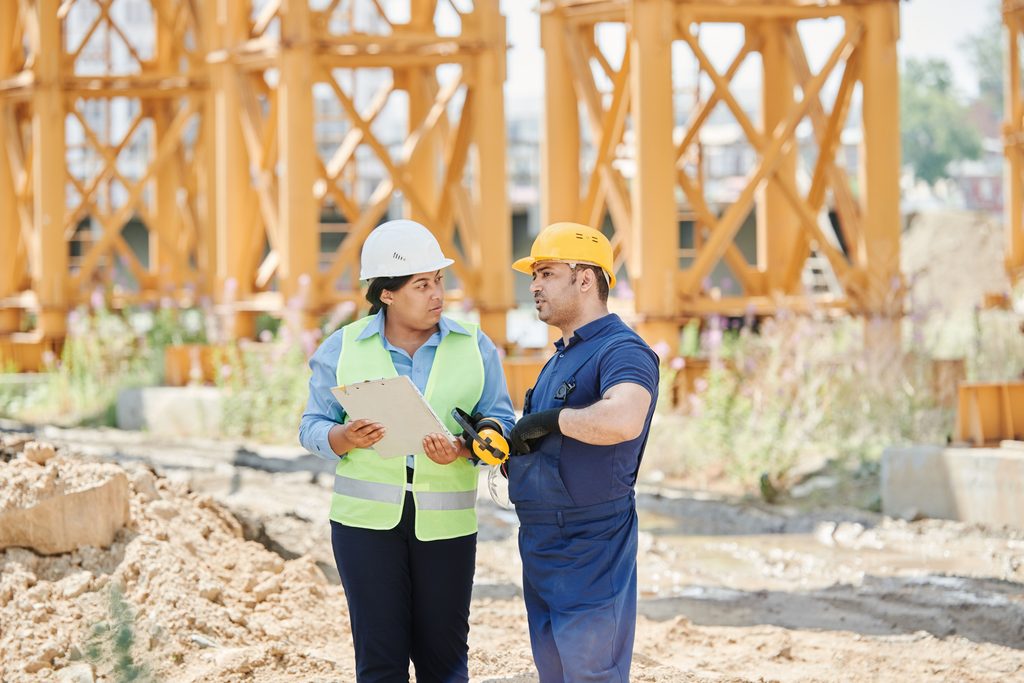
- Regulatory documentation. Ask if the supplier can provide compliance documentation for local traffic and pedestrian safety regulations.
- Visibility features. Confirm plates include reflective markings or edge treatments required for nighttime visibility.
- Placement guidance. Check if they offer guidance on proper placement to avoid liability from improperly secured plates.
Partner With Us at Contractors-Services, LLC
Choosing the right supplier makes all the difference when it comes to equipment rental for construction projects like street plate coverage. It protects your crew, keeps your site compliant, and prevents unnecessary costs down the line. The right partner treats these details as standard practice, not an afterthought.
At Contractors-Services, LLC, we supply durable street plates built to handle demanding job sites across Southern California, Arizona, and through our nationwide distributor network. We also offer trackout control solutions like rattle grates and Free Flow® curb ramps to support your broader site management needs. Reach out to our team to find the right equipment for your next project.
Written in partnership with Tom White