
The recent increases in bond yields have shaken the confidence of investors and generated a lot of hype in the media. But are they really concerning?
Mark Henry is the founder and CEO of Alloy Wealth, a financial and retirement planning firm that focuses on advising retirees and people preparing for retirement. Under the guidance of Mark Henry, Alloy Wealth has built a team of experienced, knowledgeable financial professionals who work closely with clients to create written, customized retirement plans that take into account their current lifestyle, retirement goals, savings and investments, and a variety of other factors.
Depending on its clients’ personal financial situation, risk tolerance, and investment preferences, the Alloy Wealth team shapes retirement plans that provide for a sustainable lifestyle after their working years have passed.
“Three bucket” approach
Mark Henry and the Alloy Wealth team utilize a “three bucket” approach to retirement planning that allocates capital into different tiers of investments and financial vehicles. Long-term investments are used to generate financial growth, while short-term investments provide some growth while still maintaining potential liquidity in case cash reserves need to be topped up. The third bucket contains cash, which is used to fund regular disbursements to clients, similar to the weekly, bi-weekly, or monthly salaries they received during their careers.
In order to fund these investment buckets, Mr. Henry encourages clients to begin saving and investing as early as possible in their careers. He emphasizes the fact that it’s never too late to start preparing for retirement, but that the sooner one starts, the more benefits they can receive from the power of compound interest. To help clients begin saving and investing sooner, he advocates for the development of financial literacy, believing that those who understand financial issues and their own personal finances better are more likely to budget appropriately, save aggressively, and invest their savings wisely in preparation for retirement.
Increasing financial literacy
In order to help clients and the general public increase their financial literacy, Mr. Henry provides information and education about money matters across a variety of platforms. He is a regular guest speaker, both for private groups and on public forums such as television shows, radio shows, and podcasts. He also hosts an informative YouTube channel called Living Large Retirement, as well as a regularly updated blog under the same name. The articles and videos he publishes cover a wide variety of financial and investment topics, and are available to the public free of charge.
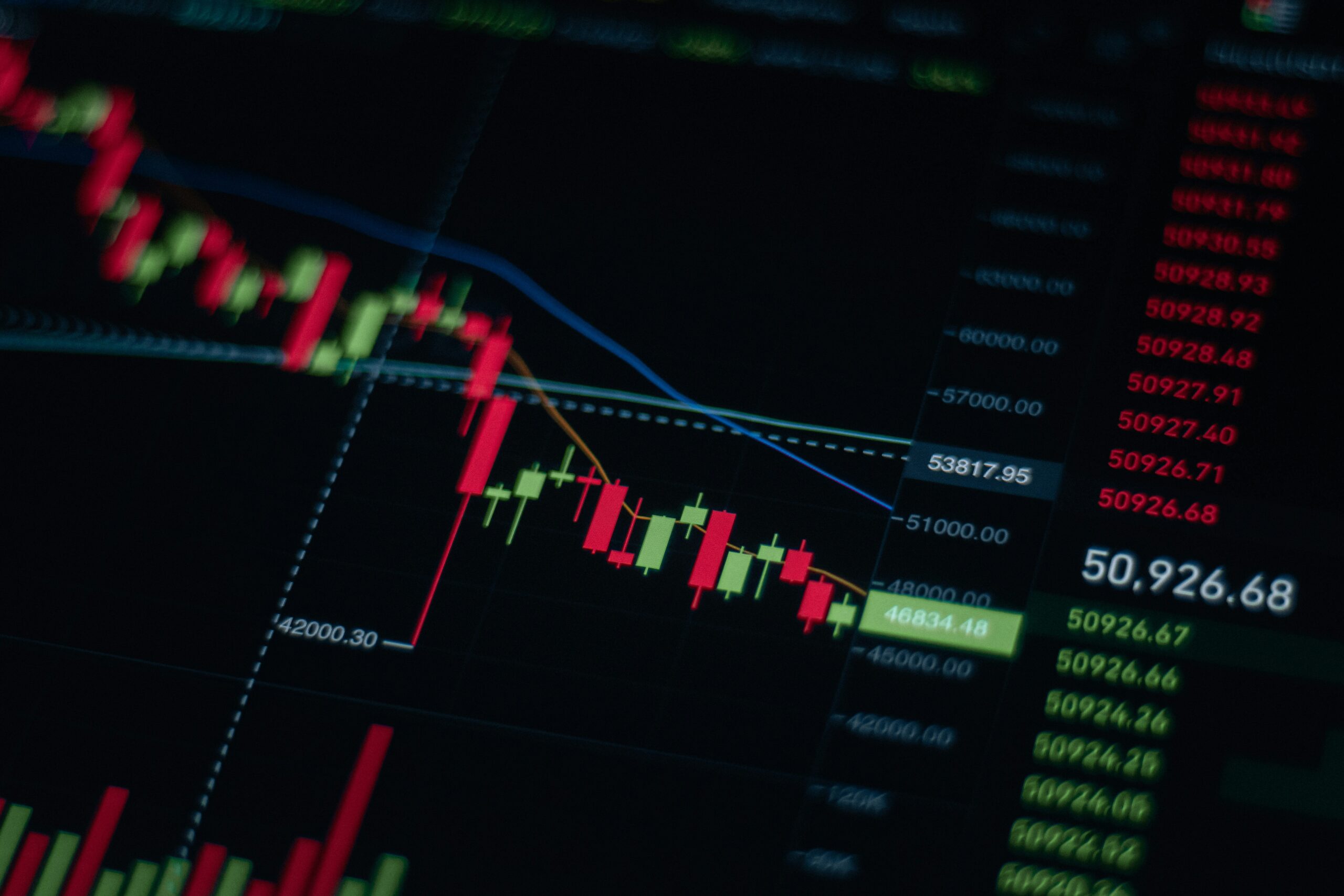
A recent article on the Living Large Investment blog discusses the recent concern in the media and financial circles about bond yields. Bonds are often lumped together with stocks in conversations about investment, but actually serve a very different purpose. While stocks provide ownership of shares or fractional shares of companies (typically increasing in value as the companies grow and do well financially, and sometimes providing dividends), bonds are long-term loans to governments or companies that are paid back over a specified term with a specified interest rate. Generally speaking, when the demand for bonds is high, bond yields tend to go down. However, when demand for bonds is low—or when inflation is high or confidence in the government or company issuing the bonds is low—the yields tend to go up in order to attract investors.
Higher bond yields
Over the past year, bond yields have hit historically high levels, fueled by persistently high inflation, high interest rates, and the fact that the US government has a sovereign debt of $40 trillion, which has shaken confidence in the country’s ability to pay back debts. While this hasn’t completely collapsed the bond market, it has driven yields up, which in turn increase interest rates for mortgages, car loans, and other large loans (many of which are pegged to bond rates). Higher interest rates and bond yields make it more attractive to buy bonds or keep cash in high-yield savings accounts, but tend to drive a risk-off sentiment toward stocks, since companies cannot acquire “cheap” capital through low-interest loans. At the same time, the housing market tends to suffer because high mortgage rates mean fewer people can afford to purchase homes.
The current high bond yields have received a lot of attention in the media and by financial advisors (as well as government officials), and rightly so. Bond yields directly affect other areas of the economy and can be a harbinger or economic turbulence and weakness in a country. However, that doesn’t mean investors should panic. Instead, the best approach to investing is to take a long-term approach and maintain a big-picture perspective. Over the years, riding out the turbulence and hype has proven to be the best long-term approach to investment. And while there is no way to know exactly what is going to happen in the future, it is likely that this strategy will continue to be the best option.
Written in partnership with Tom White