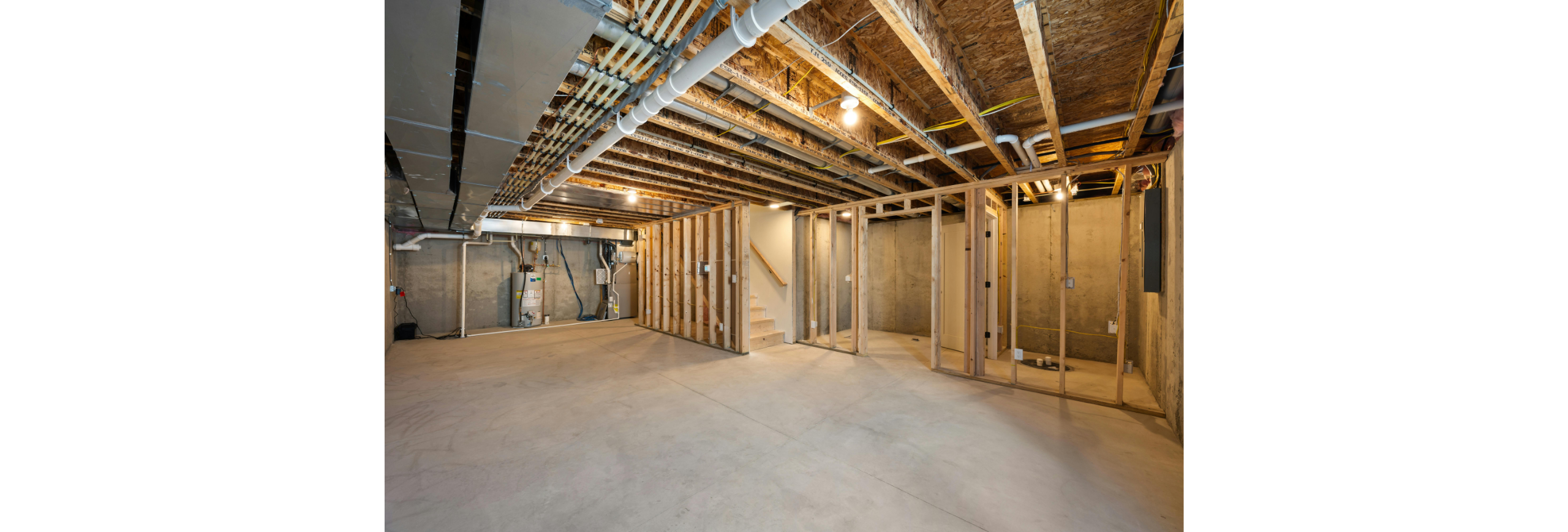
Managing inventory can be challenging due to the constant pressure of matching storage capacity with shifting demand. When storage needs change quickly, a temporary warehouse offers a practical way to expand without committing to a permanent facility. This makes it easier to handle seasonal surges, new product lines, or unexpected growth in shipping volume as they arise.
That same flexibility carries over into distribution speed, cost control, and supply chain stability. The storage strategy a business chooses shapes how quickly products reach customers and how well operations hold up under pressure. With that in mind, the sections below walk through the practical advantages this approach brings to inventory storage and distribution.
Scales Storage Space Up or Down With Demand
Inventory needs can change from month to month. A temporary warehouse gives businesses room to expand during peak periods and pull back once demand settles, without the long-term commitment of a permanent lease. This kind of flexible inventory storage lets operations respond to real conditions rather than plan around fixed square footage.
This approach supports a range of common scenarios:
- Housing overflow inventory during product launches or promotional periods
- Supporting short-term contracts or pilot programs that require extra capacity
- Adjusting quickly when supplier deliveries arrive earlier or in larger batches than planned
Instead of turning away business or straining current storage, companies can bring in additional space exactly when they need it and release it once conditions normalize.
Speeds Up Regional Distribution
Storage location has a direct effect on delivery times. A temporary warehouse placed closer to key markets or delivery routes shortens the distance between inventory and the customer, cutting down transit time on the final leg of the journey. This matters most for businesses that depend on fast, predictable turnaround.
Positioning inventory strategically supports distribution efficiency in several ways:
- Reducing the miles a shipment has to travel before reaching its final destination
- Allowing same-day or next-day delivery windows that longer routes cannot support
- Giving businesses the ability to serve new regions without relocating core operations
- Making it easier to reroute inventory quickly when demand shifts between areas
When storage sits closer to where products are actually needed, distribution becomes faster and more consistent, which keeps operations running smoothly even as demand patterns change.
Reduces Overhead Compared to Permanent Facilities
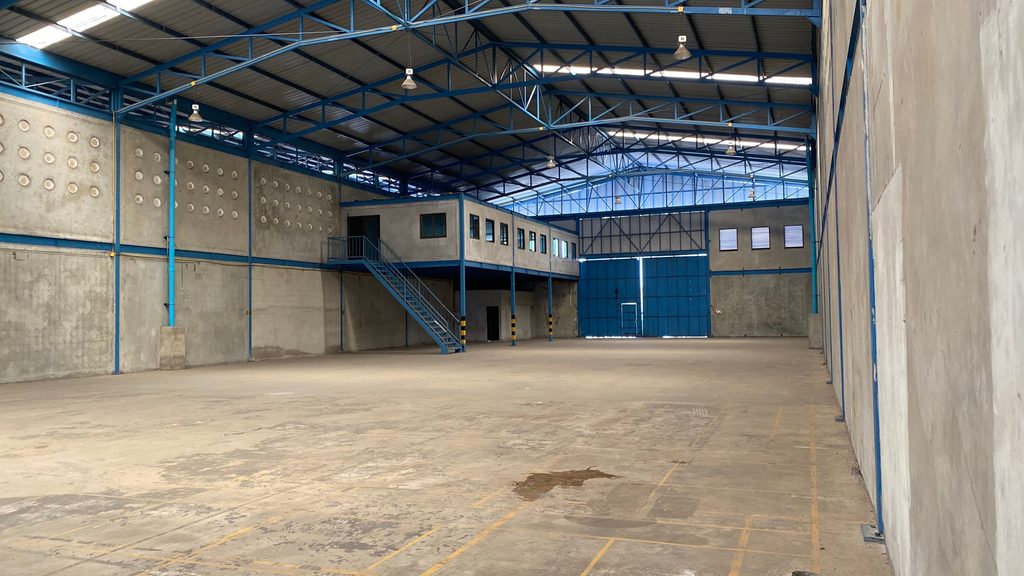
Permanent warehouse space comes with fixed costs that continue regardless of inventory levels. Nationally, average industrial asking rents reached $10.13 per square foot in the fourth quarter of 2024, according to Cushman & Wakefield, and continued climbing through the year. A temporary warehouse avoids many of these long-term costs by charging only for the space and time a business actually uses.
Working with an established third-party warehousing provider also removes the burden of hiring, training, and managing warehouse staff directly. This approach gives businesses access to:
- Storage space without signing multi-year lease agreements
- Existing equipment and systems instead of new capital investment
- Predictable costs tied directly to actual usage rather than fixed overhead
This combination keeps operating expenses aligned with real business needs instead of long-term obligations that persist regardless of demand.
Strengthens Supply Chain Continuity
Disruptions in shipping schedules, supplier delays, and sudden demand spikes can strain operations that rely on a single fixed storage point. A temporary warehouse acts as a buffer, giving businesses somewhere to hold inventory when normal channels slow down or surge unexpectedly. This role makes warehousing in supply chain management less about static storage and more about maintaining steady operations under changing conditions.
Additional capacity supports continuity in several ways:
- Holding safety stock that offsets delays from suppliers or carriers
- Preventing bottlenecks when order volume exceeds normal capacity
- Providing a fallback location if a primary facility faces unexpected issues
- Keeping fulfillment on schedule during holiday seasons or high-demand periods
When one part of the supply chain slows down, having flexible storage in place keeps the rest of the operation moving without major delays or lost orders.
Keeps Inventory Handling Accountable and Professional
Storage quality depends on more than square footage. A temporary warehouse operated by an experienced provider brings trained staff and established procedures to every stage of handling, from receiving to storage to outbound shipping. This matters most for goods that require careful handling or strict chain-of-custody standards, such as medical supplies or lab materials.

Consistent, professional handling supports accountability in several ways:
- Standardized procedures for receiving, storing, and retrieving inventory
- Clear documentation that tracks items throughout their time in storage
- Trained staff who understand proper handling for sensitive or regulated goods
- Defined protocols that reduce errors, damage, and mishandling
When storage operations follow the same standards as the rest of the supply chain, businesses gain confidence that inventory stays intact and accounted for at every step, not just during transport.
Choosing a Reliable Temporary Warehouse Provider
Selecting a temporary warehouse provider determines whether these benefits translate into real operational gains. The right partner brings more than open space; it delivers accountability, consistent handling, and visibility at every stage. That reliability is what turns a short-term storage fix into a lasting advantage.
At 24/7 Enterprises, we support healthcare, laboratory, and B2B clients who depend on precise, dependable logistics. Our warehousing solutions pair flexible storage with real-time tracking technology and trained staff who handle every shipment with care. Contact us today to build a temporary warehouse solution around your operation.
Written in partnership with Tom White