
As major powers compete for technological sovereignty, smaller international hubs are finding new opportunities to attract capital, talent and innovation.
For decades, technological leadership was closely associated with the concentration of research institutions, venture capital, industrial capabilities and large domestic markets. Silicon Valley exemplified this model, while China and Europe developed their own centres of scientific and industrial excellence.
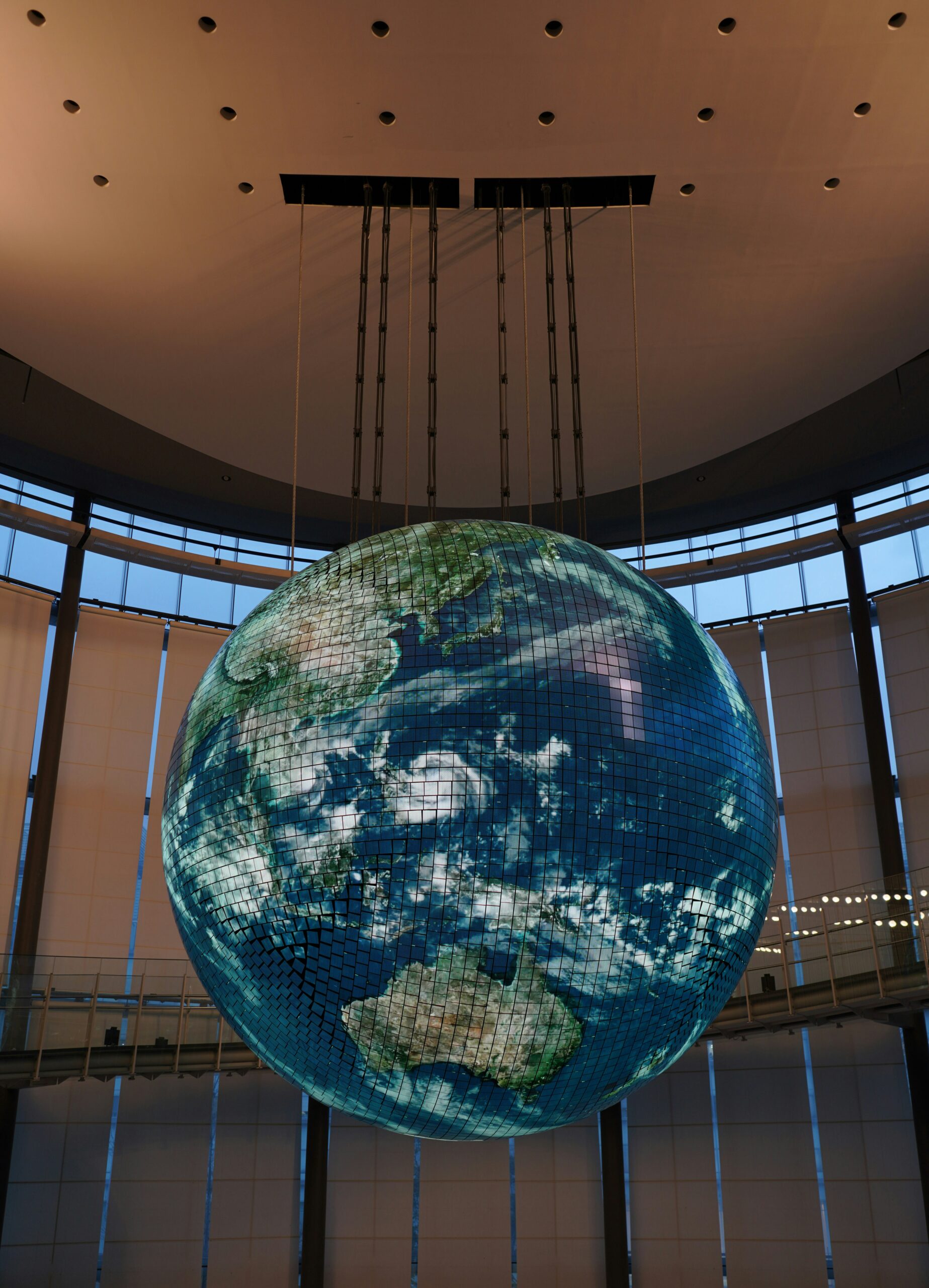
Today, the geography of innovation is becoming more complex. Artificial intelligence, semiconductors, biotechnology and advanced manufacturing increasingly depend on capabilities distributed across multiple countries. At the same time, geopolitical competition is encouraging governments to protect strategic industries, restrict technology transfers and redirect investment towards domestic priorities.
This apparent contradiction is creating opportunities for a different category of economic centres: smaller, internationally connected hubs capable of coordinating capital, talent and technological capabilities across increasingly fragmented markets.
WHEN TECHNOLOGY BECOMES A GEOPOLITICAL PRIORITY
The United States, China and the European Union are increasingly treating technological leadership as a matter of economic security. Semiconductor export controls, industrial subsidies, foreign investment screening and regulatory frameworks are reshaping where companies can develop, finance and commercialise strategic technologies.
These policies reflect legitimate concerns over supply-chain resilience, national security and industrial competitiveness. Yet they also introduce new complexities for companies whose research, manufacturing and customers are spread across several jurisdictions.
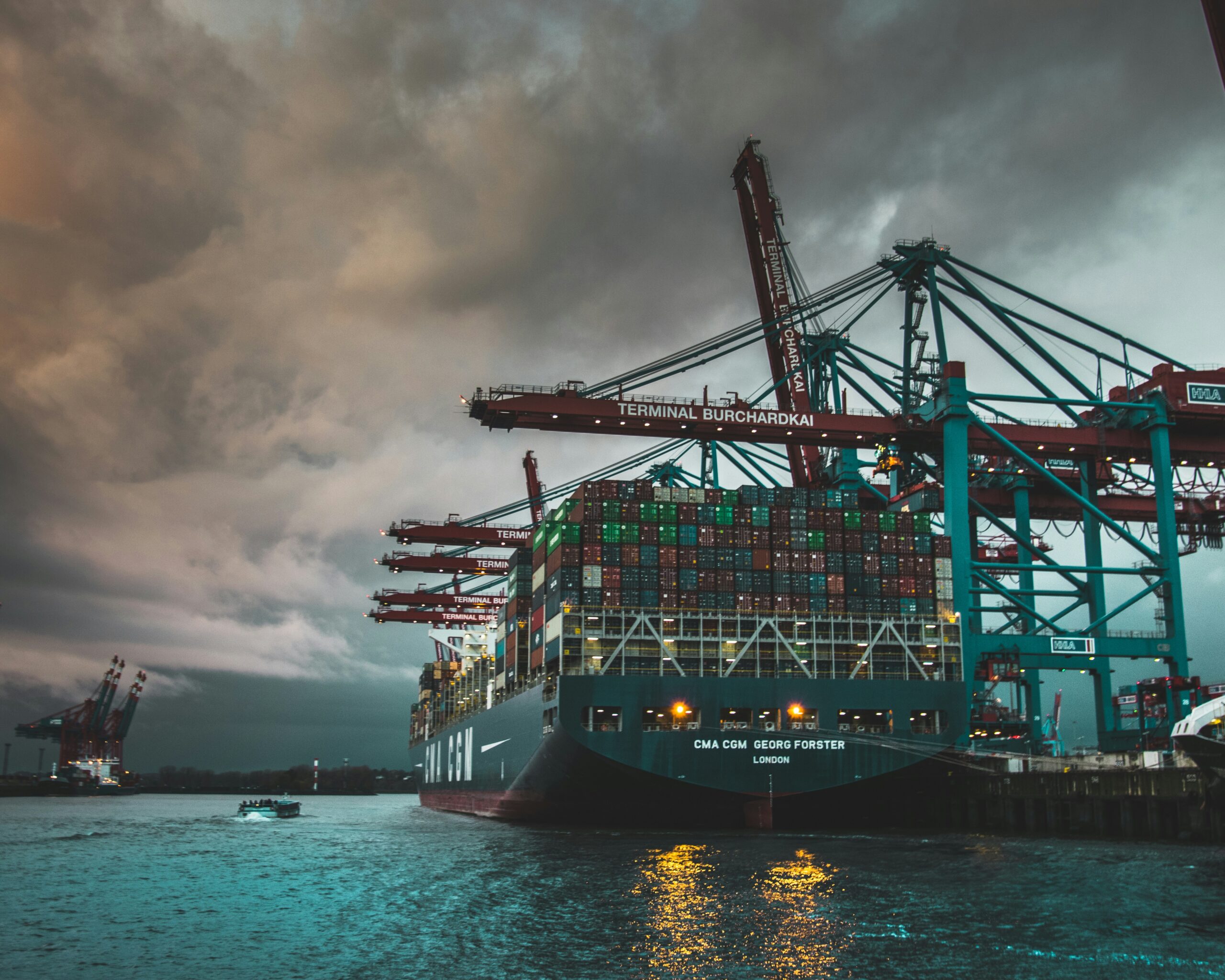
A technology developed in Europe may depend on Asian manufacturing capabilities, American capital markets and customers operating across multiple regions. Decisions about where to establish subsidiaries, hold intellectual property or locate production facilities are therefore becoming as strategic as the underlying technological development.
For emerging companies, navigating these constraints requires an increasingly sophisticated understanding of international markets. Access to capital alone is insufficient when regulatory compatibility, geopolitical exposure and industrial dependencies can determine whether a business can scale.
THE RISE OF INTERNATIONAL COORDINATION HUBS
Against this backdrop, Singapore, Dubai and Hong Kong are developing distinct but increasingly relevant positions within the global innovation economy.
Singapore combines a stable regulatory environment, sophisticated financial infrastructure and strong research institutions with access to Southeast Asian markets. Dubai has positioned itself as a centre for international capital, entrepreneurship and commercial activity connecting Europe, Asia and the Middle East. Hong Kong retains significant financial connectivity and benefits from its proximity to the industrial and technological capabilities of China’s Greater Bay Area.
These centres cannot replicate the domestic scale of the United States or China, nor do they necessarily seek to. Their competitive advantage lies in their ability to facilitate international business activity, attract specialised talent and connect economic ecosystems that are becoming more difficult to navigate.
“The geography of innovation is no longer determined exclusively by where scientific breakthroughs occur. It increasingly reflects where capital, industrial capabilities and market access can be brought together. That creates opportunities for smaller, internationally connected economies,” explains Pierrick Bouffaron, Managing Partner at Entropia Capital, an international investment firm focused on frontier technologies.
This emerging model is particularly relevant to deep technology. A biotechnology company may combine European research, Asian development capabilities and American commercialisation. An industrial technology business may rely on specialised manufacturing partners in several countries while accessing investors through international financial centres.
In both cases, the ability to coordinate these relationships can become a source of competitive advantage.
A NEW GEOGRAPHY OF COMPETITIVE ADVANTAGE
The growing importance of international hubs does not mean that geography is becoming irrelevant. Quite the opposite. As technological development becomes more capital-intensive and geopolitically sensitive, location decisions carry greater economic consequences.
For entrepreneurs, selecting a jurisdiction increasingly involves balancing access to financing, regulatory predictability, intellectual property protection, industrial capabilities and proximity to customers. For investors, understanding how these elements interact across borders is becoming an essential part of evaluating technological businesses.
International hubs also face limitations. Their openness can expose them to external geopolitical pressures, while dependence on foreign markets and specialised supply chains creates vulnerabilities that domestic policy cannot entirely resolve. Their success will depend on maintaining credible institutions, international connectivity and the ability to adapt as the global economic environment changes.
The emerging landscape is therefore unlikely to be defined by a simple contest between large economies and smaller hubs. Instead, technological development will increasingly involve both: major markets providing industrial scale, scientific depth and commercial demand, while internationally connected centres facilitate the movement and coordination of capital, expertise and business activity.
As geopolitical competition reshapes globalisation, the next generation of technology companies will need to operate across this more fragmented landscape. The most valuable locations may not always be those that control the largest markets, but those that make it easier for innovation, capital and industry to work together across borders.
Written in partnership with Tom White