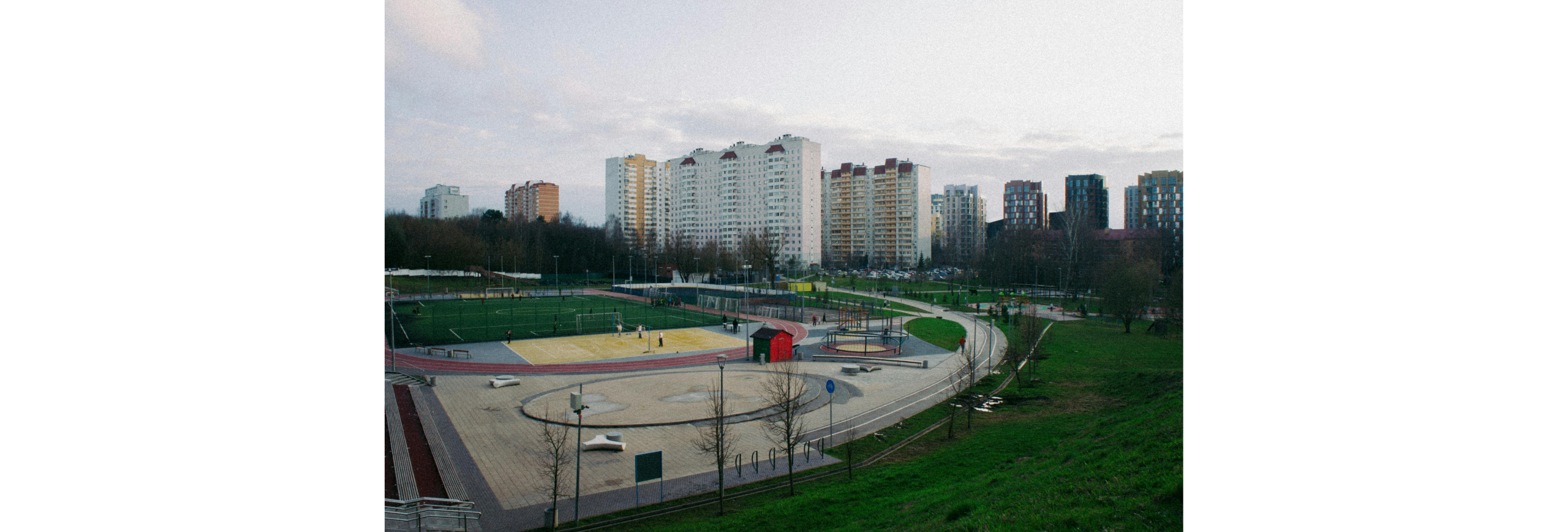

Physical activity is becoming a bigger part of daily life across the United States, and schools, municipalities, and community organizations are being asked to keep pace. A facility meant to serve several sports and age groups is a more complex undertaking than a single field or court. It has to hold up under heavier, more varied use, accommodate different scheduling needs at once, and remain practical to maintain year after year.
That complexity is why many organizations are turning to a sports construction company to translate that demand into facilities that still perform well years after opening day. Meeting that goal takes planning decisions made before construction begins, not just a well-poured court or field.
As one recent industry analysis has pointed out, exercise has become a mainstream part of daily routines for people of nearly every age and background. That broader base of participation is fueling demand for facilities that serve multiple purposes. Schools, associations, and property owners create the most long-term value by planning around expected users, scheduling demands, site conditions, and future programming, rather than focusing solely on the playing surface.
Start Facility Planning With Programming and User Demand
Facility planning works best when it starts with a clear picture of who will use the space and how often. Youth leagues, school programs, and adult recreation each place different demands on scheduling and daily wear. A facility built primarily for one varsity team requires different sightlines and storage than a community complex that hosts youth practices, adult leagues, and public programming throughout the week.
Planning should also account for factors such as seasonal scheduling, spectator capacity, equipment storage, and whether the facility will host tournaments alongside everyday community use.
Design Multipurpose Sports Facilities Around Compatible Activities
“Multipurpose” works best when it means pairing activities that genuinely fit together, not squeezing unrelated sports into one footprint. Basketball and volleyball, for instance, can often share an indoor court because their dimensions and line markings are compatible. A soccer field and a surface built for a sport with very different drainage needs are a harder match. Pairing well may increase the number of hours a facility is used each week without compromising safety.
Choose Sports Surfaces for Climate and Maintenance
Surface choice should reflect how a facility will actually be used, not just how it looks on opening day. Local climate, athlete age, competition level, and available maintenance staffing all factor into whether an acrylic court, synthetic turf, a track surface, or a resilient indoor floor makes the most sense. No single surface performs best everywhere: a dry-climate facility with light recreational use has different priorities than a school stadium running daily practices through a wet fall.
Include Drainage and Base Conditions in Early Planning
The surface a player actually stands on is only as good as what sits beneath it. Poor grading, an unstable base layer, or drainage that was never properly evaluated can lead to standing water, surface movement, cracking, erosion, and recurring repairs long before the surface itself would otherwise need attention. These problems tend to surface only after the first heavy rain, by which point fixing them usually means tearing into work that was already considered finished.
Evaluating drainage and base conditions before a surface is laid down or a resurfacing project begins is often far less disruptive than treating drainage as a separate concern to be addressed only after a problem has already appeared.
Build Accessibility Into the Whole Site
Accessibility works best as a site-wide requirement, not a feature added near the entrance. Parking, elevation changes, gates, seating, restrooms, and the routes connecting each activity area must work together. Federal ADA standards for recreation spaces lay out specific requirements for play spaces and sports fields. Reviewing them early, alongside a qualified accessibility professional, may help a project avoid costly retrofits later. Fencing, lighting, and circulation should be planned with the rest of the site, not added after construction wraps.
Plan Fencing, Lighting, and Circulation as Integrated Systems
Supporting infrastructure shapes daily operations as much as the playing surface does. Fencing and boundary netting help control balls, define activity zones, protect neighboring property, and manage who can access the site and when.
Lighting can extend a facility’s usable hours well into the evening, but placement matters. Poorly positioned fixtures create glare for players, waste energy, drive up long-term utility costs, and can draw complaints from neighboring properties if spillover isn’t considered during design.
Circulation deserves the same level of planning. A functional site needs to separate athlete and spectator routes from service and maintenance vehicle access, account for emergency access in case of injury or evacuation, and provide clear drop-off areas, parking, and delivery routes that don’t cross paths with active play.
When these elements are coordinated with the layout of the courts and fields from the start, rather than squeezed in around construction that’s already finished, a facility tends to run more smoothly on a busy tournament day than one where circulation was an afterthought.
Use Phased Construction to Manage Budgets
A large project doesn’t have to happen all at once. Site preparation and drainage typically come first, followed by the primary court, track, or field; then fencing and safety features, lighting, seating, and spectator amenities; and finally any additional courts, fields, or supporting landscaping.
Planning the full site and its utilities up front, even when construction happens in stages, may help later phases avoid damaging work that’s already finished. Phasing tends to make funding more manageable rather than guaranteeing a lower total cost, since repeated mobilization and shifting material prices can offset some of the savings.
Compare Life-Cycle Costs Before Breaking Ground
A lower construction bid does not always mean lower long-term costs. Comparing proposals for drainage work, maintenance frequency, resurfacing intervals, and warranty terms may reveal that a cheaper option omits upkeep that proves expensive later.
Defining inspection schedules and maintenance responsibilities before opening may help preserve surface performance, reduce unexpected closures, and make long-term upkeep more predictable.
Organizations with a maintenance plan in place before opening day are better positioned to track whether a facility is meeting its purpose through measures such as scheduled hours and program participation.
Measure Facility Value Through Utilization
Once a facility opens, the clearest sign of whether the planning paid off is how it actually gets used. Hours of scheduled use, the number of programs and teams booking time, public or member participation, and rental or tournament bookings all point to whether the space is meeting the demand it was built for.
Maintenance closures and unplanned downtime are also worth tracking, since a facility that spends more time closed for repairs than open for play isn’t delivering the value it was designed to deliver. None of this requires guessing at industry averages. Ongoing feedback from coaches, program directors, and the people actually using the space tends to be the most direct signal of whether a facility is working as intended.
Durable athletic facilities come from decisions made before the first shovel goes into the ground. Organizations planning a new sports facility benefit from starting with programming and user demand, selecting compatible activities, honestly evaluating site and surface conditions, and developing a maintenance plan alongside the design itself.
FAQ
What should be considered before building a sports facility?
Planning typically starts with who the facility needs to serve, then works outward to site conditions, the right surface material, drainage, lighting, accessibility, and how much room to leave in the budget for future expansions.
Can one athletic facility support multiple sports?
Yes, when the activities share compatible dimensions, surfaces, equipment needs, and scheduling patterns. Pairing incompatible activities in one space can reduce both safety and usability.
How does drainage affect courts and athletic fields?
Drainage affects surface stability, how quickly a facility can reopen after rain, and how often repairs are needed. Poor drainage may lead to standing water, cracking, or uneven play.
How should an organization compare sports construction proposals?
Compare scope, site preparation, drainage, surface specifications, maintenance expectations, warranties, and total life-cycle costs, rather than the bid total alone.
When should sports surfaces be repaired or resurfaced?
Timing depends on the surface system, its age, local climate, and visible signs of wear, and is best confirmed with the surface manufacturer or a facility specialist.
Written in partnership with Tom White