
Image Credit: Pexels
Why cybersecurity measures are so essential and what kinds of new tools are helping to fortify online privacy.
As cyber threats grow more sophisticated, companies must rethink security from every angle: software, hardware, and organizational culture. While headlines focus on breaches and ransomware, security leaders point to overlooked vulnerabilities hiding in plain sight: unvetted device repairs, outdated defense tools unable to handle AI-powered attacks, and compliance processes that breed complacency rather than confidence. Here’s how three cybersecurity experts are helping organizations close those gaps.
Hardware is Only a Fraction of IT
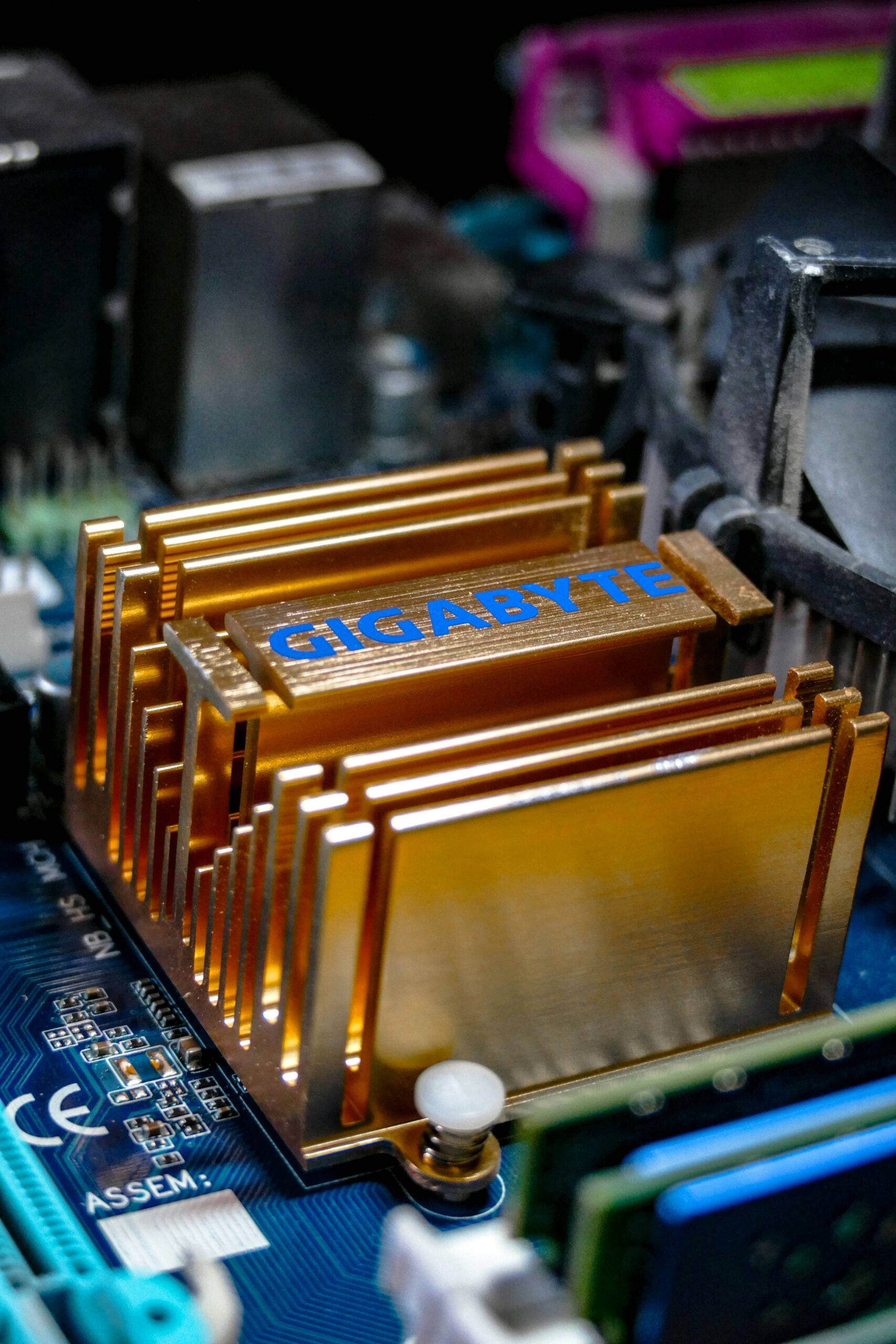
Hardware has long been the overlooked stepchild of enterprise security. Georgia Rittenberg, CEO of ComputerCare, says that because hardware represents only a small fraction of post-procurement IT spend, it rarely gets the scrutiny it deserves, yet the risks are real.
She details, “Hardware is a small fraction of IT spend post-procurement, so it gets very little attention after the initial purchase, but that is exactly what makes it such a low-effort, high-impact security gap.”
Unvetted repairs by local shops outside corporate oversight can expose sensitive employee or customer data, and improper end-of-life handling can leave devices with recoverable data in the wrong hands. Rittenberg advocates a structured break-fix model that removes repair decisions from employees: when a device breaks, IT sends a loaner, and the broken unit returns to a controlled environment for secure handling.
“When an employee takes their laptop to a local repair shop because it is convenient, that shop may have zero data security standards. And a remote wipe is often not enough; physical data destruction is much more secure, and you want a Certificate of Data Destruction to prove it was done.”
As hardware refresh cycles extend from three to five years, companies that build disciplined EOL processes now will be better positioned to handle the increasing volume of aging devices securely.
Rittenberg surmises, “With a break-fix model, the repair decision is completely out of the employee’s hands. They report a broken device, IT sends a loaner, and the broken unit comes back for secure handling. It ensures a clean chain of custody every time.”
AI Has Changed the Threat Landscape
The threat landscape has fundamentally changed. Jonathan DiVincenzo, Co-Founder and CEO of Impart Security, explains that AI has effectively transformed solo attackers into armies; a single bad actor can now deploy thousands of AI agents running 24/7 attacks that overwhelm even well-staffed security teams.
DiVincenzo bluntly puts it, “A single bad actor can deploy thousands of AI agents from a Mac mini and run relentless, 24/7 attacks. Your security team has three people, and they don’t get holidays; the math doesn’t work with legacy tools.”
Compounding the problem, most enterprise defenses were built in the 1990s and 2000s and rely on rule-based detection that cannot keep pace.
“These are boomer security tools, built in the nineties and early 2000s, and they rely on rule-based matching that cannot keep up with modern threats. You end up with a dashboard showing 150 critical vulnerabilities and no real way to prioritize,” DiVincenzo explains.
Fortunately, Impart’s approach focuses on runtime security for AI applications: the system learns what normal user behavior looks like and flags anomalies in real time, resolving about 80% of issues automatically so human teams can focus on the remaining 20%.
“Our system learns what normal user behavior looks like, a path from A to B, and the moment it sees something like A to D, it flags it in real time. We resolve about 80 percent of issues automatically so human teams can focus on the 20 percent that actually needs them.”
How Security is Approached Matters
From Jake Posey’s perspective, how a company approaches security audits says a lot about its security culture. He is the Founder of Prepaid Program Management LLC, and he argues that the word audit itself triggers a defensive posture, sending teams scrambling to pass a checklist rather than genuinely strengthen their systems.
“The word audit puts people in a defensive crouch immediately. The moment you shift the framing to a consultation, you get honest conversations that uncover the real issues, not just what people are willing to put on a checklist.”
Posey’s prescription: treat audits as consultations. This mindset shift opens the door to honest conversations that surface deeper issues before they become vulnerabilities.
He also recommends replacing the annual audit scramble with year-round mini-audits that distribute the workload without derailing product roadmaps.
“When leadership cuts corners on security, employees notice. It sends the message that speed matters more than safety. My Payments Academy site gets over 100 brute-force attacks a day, the threat level is constant, and your team follows the example you set.”
Beyond process, Posey emphasizes leadership accountability: when executives cut corners, employees follow suit, and in high-stakes financial systems, that’s a dangerous precedent.
“Instead of asking ‘did we pass?’, the better question is: ‘are there questions I should have asked that I did not?’ That is where the auditor’s real value comes in, they have seen hundreds of systems, and they know what you do not know you are missing.”
Final Thoughts
Cybersecurity confidence doesn’t stem from simply ticking checkboxes, but from identifying and closing the overlooked gaps most organizations miss. This includes hardware stored in employee drawers, AI-powered tools continuously testing endpoints, or treating annual audits as mere formalities. The core issue remains the same: security must be ingrained in the culture and processes, not added as an afterthought.