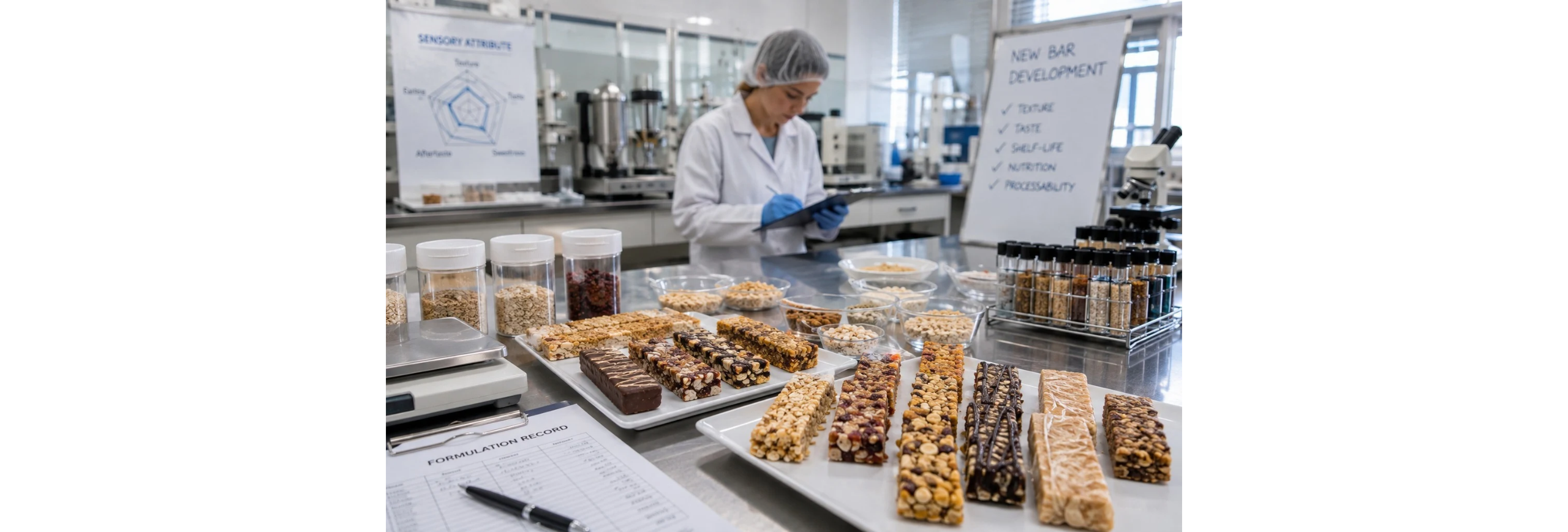

Launching new bars and formed snacks challenges even seasoned global manufacturers who face rising consumer expectations and shorter shelf-refresh cycles today. You need a structured commercialization plan that carries a concept from bench idea through pilot trials and into stable commercial production. Confidence at launch comes from data, process discipline, and clear ownership across every functional team involved.
Bars and formed snacks share extrusion, forming, cooling, and packaging steps, yet each format has its own texture, moisture, and eating-experience targets. In addition, ingredient complexity has grown as protein, fiber, and clean-label demands push formulations further from traditional snack chemistry worldwide. You benefit from planning each launch with those functional and process realities in mind from day one.
What does commercializing new bars and formed snacks involve?
Commercialization transfers a proven concept through pilot trials into stable industrial production with documented recipes, process windows, and quality parameters. You confirm ingredient behavior, forming accuracy, cooling profiles, and packaging performance on equipment matched to future commercial output volumes. The output is a launch-ready program your operations, quality, sales, and marketing teams can execute with confidence worldwide.
Why ingredient choices shape bars and formed snacks commercialization
Ingredient choices drive every downstream outcome when you commercialize new bars and formed snacks at industrial scale worldwide. You start with binder systems, protein sources, sugars or replacements, fats, fibers, and specialty inclusions that fit consumer expectations. Each ingredient carries a functional role that shapes texture, moisture, shelf life, and forming behavior across every commercial run.
According to Innova Market Insights research on global snack trends, 56 percent of consumers snack daily and 86 percent snack weekly worldwide. Consequently, teams commercializing bars and formed snacks compete inside a category where reformulation and clean-label pressure shape every ingredient decision.
Bars often rely on syrups, honey, or fruit purees as binders, and each option changes water activity, cutting behavior, and shelf-life outcomes. Meanwhile, formed snacks like extruded pellets, savory bites, or fruit-and-nut clusters depend on protein and starch functionality for structure. Explore the confectionery and snacks solutions available for teams shaping their next bars and formed snacks launch.
How process design supports a stronger commercial launch
Process design must sit inside commercialization planning from the earliest concept stages, not as a late scale-up correction. You design formulations knowing how mixers, extruders, formers, cooling tunnels, and packaging lines will handle the mass at speed. Ignoring line behavior leads to costly reformulations, rework, and lost shelf momentum during your commercial rollout globally.
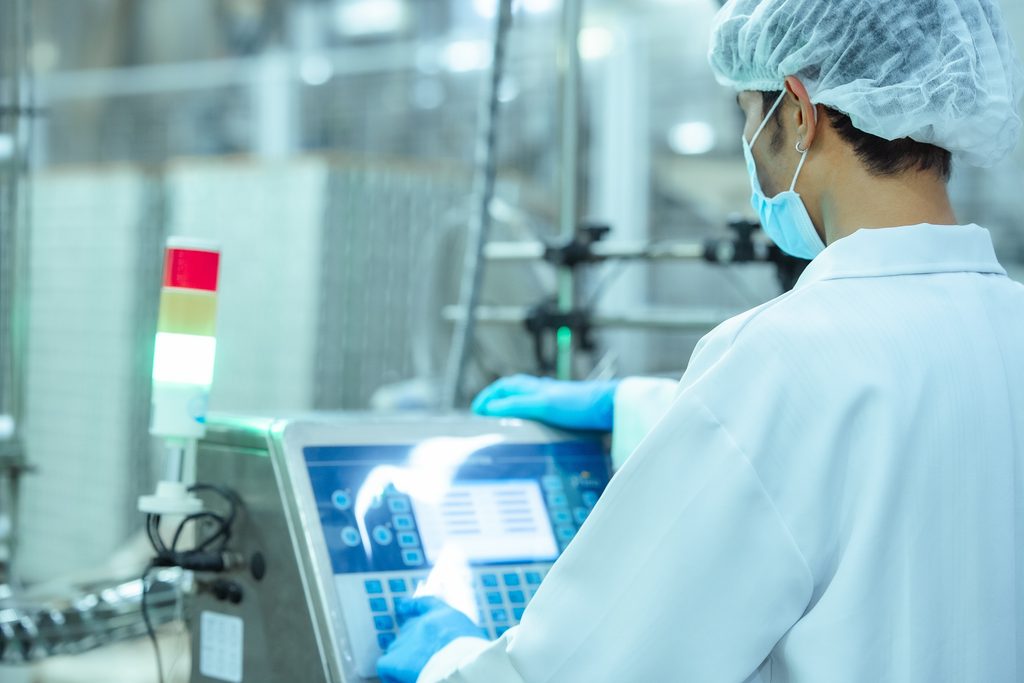
Bars and formed snacks demand tight forming, cutting, and enrobing control, so mass rheology and temperature windows are critical from bench batch onward. Furthermore, cooling and setting profiles must match packaging speed so bars leave the line at the right hardness without cracking.
Process planning also has to respect changeover, allergen management, and cleaning realities across shared snack lines worldwide. As a result, your team can rule out ingredient or format choices that would compromise line hygiene or throughput before trials begin. Review the research and training centers that support process-informed bar and snack launches globally.
Key trial stages that build commercialization confidence
A well-designed trial program builds confidence stage by stage rather than betting everything on a single scale-up run. You begin with bench prototypes and finish with a documented process window handed cleanly to operations, quality, and commercial teams. In addition, each stage produces evidence that supports regulatory filings, food safety audits, and internal cost reviews.
The following stages typically shape a strong commercialization program for bars and formed snacks worldwide:
- Bench prototyping to validate recipe direction, sensory profile, and target nutrition
- Pilot trials on representative equipment to confirm mass behavior and forming accuracy
- Extended trials covering cutting, cooling, enrobing where relevant, and packaging speeds
- Shelf-life and stability studies on commercial packaging formats and channels
- Full commercial commissioning runs with documented parameters and operator sign-off
You should document every parameter, including temperatures, residence times, and operator adjustments, so results transfer cleanly into production. Consequently, your commissioning phase moves faster because line teams already understand the working process window and its edges. Related insight appears in this overview of production trials that reduce commercial launch risk.
Drawbacks to avoid during bars and formed snacks commercialization
Even a well-resourced launch program can stall when teams underestimate how bars and formed snacks behave under industrial conditions. You must match sensory panels, shelf-life protocols, and pilot trials to the specific format, size, and target retail channel worldwide. Otherwise, bench recipes fail during scale-up, packaging validation, or the first critical weeks on retail shelves.
Watch closely for these frequent issues that quietly undermine bars and formed snacks launches at manufacturers of every size today:
- Locking flavor and format before confirming forming behavior at industrial line speeds
- Skipping accelerated shelf-life work on packaging matched to your target retail channel
- Assuming ingredient substitutions transfer without retesting texture, moisture, and cutting
- Ignoring cost, sourcing, and supply resilience during the earliest commercialization decisions
Your best defense is a written commercialization brief covering sensory, nutrition, cost, process, and shelf-life targets from the start. As a result, your team leaves each cycle with a documented launch plan and clear rationale behind every choice. Learn more about Bühler and how its global network supports bar and snack manufacturers worldwide.
Ready to commercialize a new bar or formed snack with confidence?
Structured trials turn promising bars and formed snack concepts into commercial programs backed by data your teams can genuinely trust. You reduce launch risk, meet nutrition targets, and enter production with a process window your engineers already fully understand. In addition, the discipline of documented trials pays back through fewer reworks and faster retail acceptance worldwide.
Bühler supports research and training centers where your team can trial new bars and formed snacks on industrial-representative equipment globally. Whether you are commercializing a protein bar, a fruit-and-nut cluster, or a savory extruded snack, structured trials sharpen every decision downstream. Talk with the applications team through the contact page to move your launch forward.
Written in partnership with Tom White